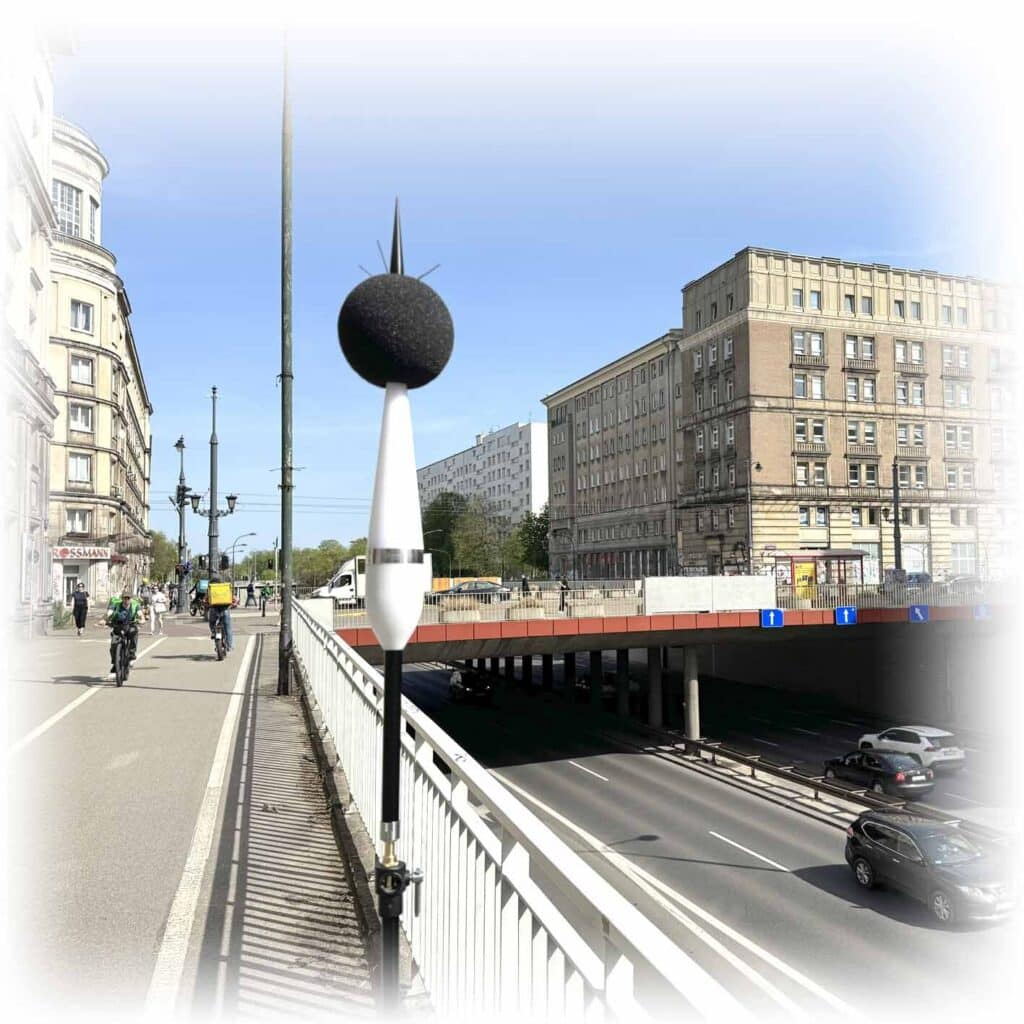
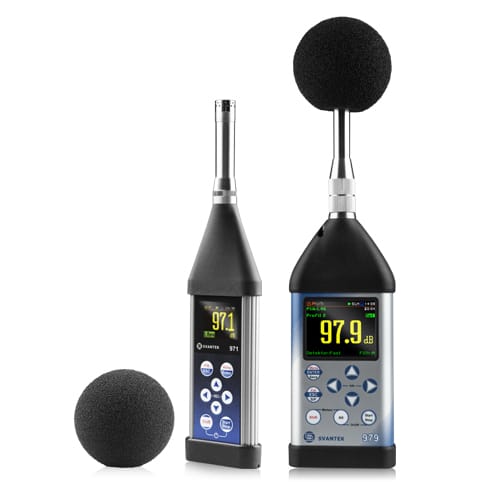
Isolating specific environmental noise from a complex urban acoustic background requires highly specialized metrological approaches. Internationally, ISO 1996-2 provides structured methodologies to determine the specific acoustic contribution of a single source when residual (background) sound is significant. When the residual sound pressure level is more than 3 dB below the measured sound pressure level, acoustic engineers must apply specific logarithmic energy-subtraction formulas to extract the corrected sound pressure level of the source. These techniques allow for the extraction of the specific noise even when the difference between the total environmental noise and the residual background noise is relatively small, ensuring accurate regulatory compliance assessments.
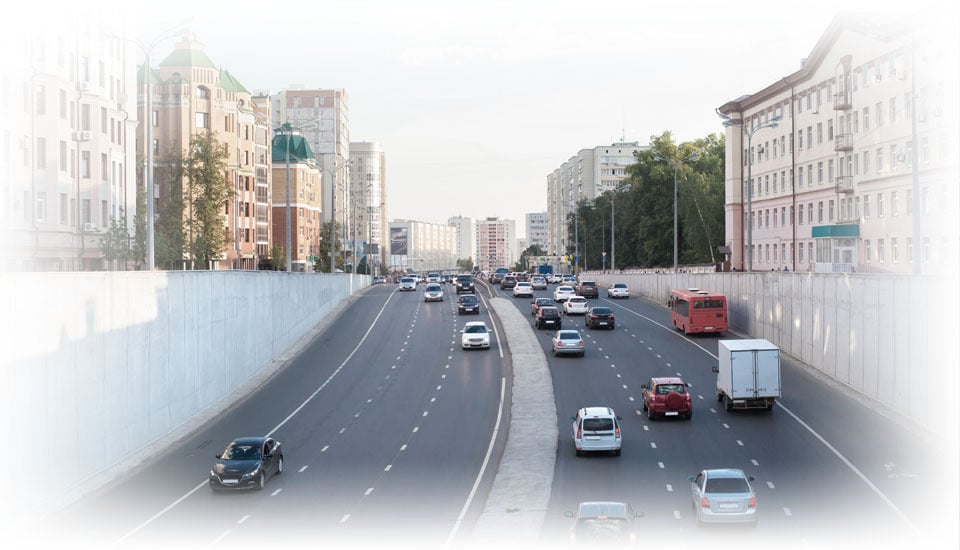
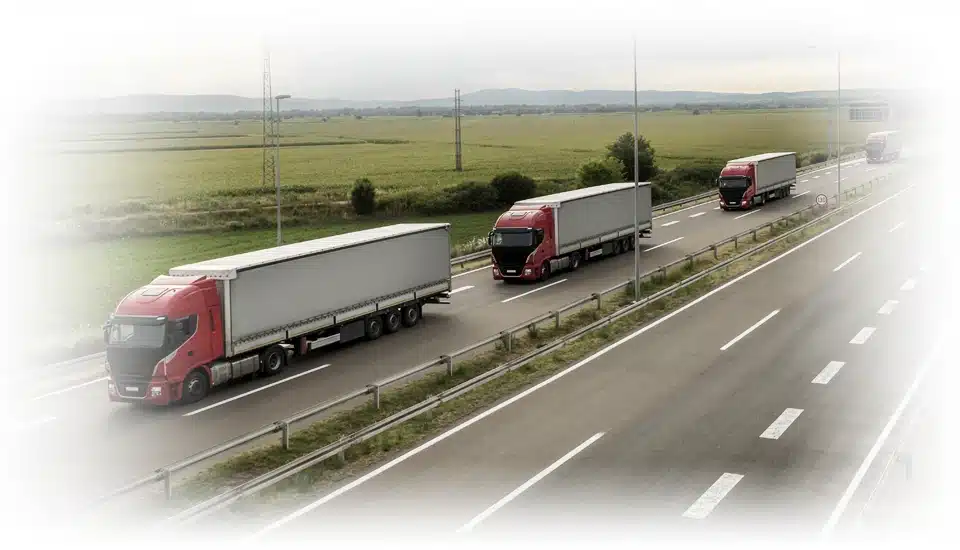
Standards for road traffic noise are regulated differently across these jurisdictions, often distinguishing between new infrastructure and existing environmental exposure.
In the United States, the Federal Highway Administration (FHWA) uses Noise Abatement Criteria (NAC), where residential areas (Category B) generally have a threshold of LAeq 67 dB for considering noise mitigation on new federal projects. In contrast, European nations largely align with the EU Environmental Noise Directive (2002/49/EC), which mandates acoustic mapping and action plans based on the Lden (day-evening-night) indicator. The World Health Organization (WHO) provides the most stringent benchmarks for this region, recommending that road traffic noise exposure remain below 53 dB Lden
and 45 dB Lnight to prevent adverse health effects like cardiovascular stress and sleep disturbance.
Within Europe, specific national limits for existing residential areas often exceed these WHO guidelines. Germany enforces strict compliance under the 16. BImSchV (Traffic Noise Protection Ordinance), targeting 59 dB(A) during the day and 49 dB(A) at night for residential zones near new or significantly altered roads. Poland’s regulations, defined by the Ministry of Climate and Environment, set permissible daytime limits around 61–64 dB(A) and nighttime limits at 56–59 dB(A), though these vary depending on urban density and the presence of high-rise development. In the United Kingdom, British Standard BS 8233:2014 (updated for 2024–2026 contexts) provides “desirable” external limits of 50–55 dB LAeq,16h for gardens, while focusing heavily on internal bedroom limits of 30 dB LAeq,8h to ensure restorative sleep.
To harmonize strategic noise mapping across Member States, the European Union implemented the CNOSSOS-EU calculation model, which is recognized internationally alongside other source-specific models (such as those referenced in ISO 1996-2) for assessing road, rail, and industrial noise. The total sound power is mathematically separated into rolling noise and propulsion noise. This approach applies spectral correction factors for specific road surfaces, enabling highly standardized and comparable predictions across different countries.