Sound Frequency

A comprehensive understanding of sound frequency, including its nature, analysis methods, and applications, is essential for the field of acoustics. Sound frequency significantly impacts human perception and health, whilst also playing a critical role in various technological fields.

What is the meaning of frequency in sound?

In acoustics, sound frequency represents the number of vibrations or cycles per second within a sound wave, measured in hertz (Hz). This concept is essential for defining the frequency spectrum, where the audible range is divided into smaller, distinct bands for detailed analysis. As sound signals typically combine multiple frequencies, analysis involves decomposing these complex signals into their fundamental components.

  • Sound Wave Composition: Sound waves are complex vibrations comprising multiple frequencies. These frequencies determine pitch and tone, creating unique auditory characteristics.
  • Frequency Spectrum Analysis: This process examines the amplitude or intensity of specific frequency components. It identifies dominant frequencies to explain their role in overall sound perception.
  • Applications in Acoustics: Frequency analysis is vital for identifying noise sources in environmental surveys, optimising sound quality in audio engineering, and interpreting speech patterns.
  • Analysis Methods: Techniques such as octave band analysis and Fast Fourier Transform (FFT) are employed to analyse sound frequency. These methods simplify complex sounds into manageable components for study and manipulation.

Understanding sound frequency is critical for both theoretical and practical acoustics, supporting a comprehensive view of how sound is produced, transmitted, and perceived.

Sound frequency: what to know to measure?

Sound frequency is a fundamental characteristic in acoustics, essential for understanding the nature and impact of sound. It provides insights into the origins of sources, the propagation of sound through different media, and its effects on human perception and health. In professional acoustics, sound frequency analysis is primarily conducted using two methods: n-octave filtering and Fast Fourier Transform (FFT).

By employing these techniques, acousticians and sound engineers can analyse the complexities of sound frequency to facilitate superior sound design, noise control, and auditory health measures. This understanding is vital for applications ranging from the design of acoustically optimised spaces to the development of audio technology and the implementation of hearing protection strategies.

what is sound frequency

Which sound frequencies are important?

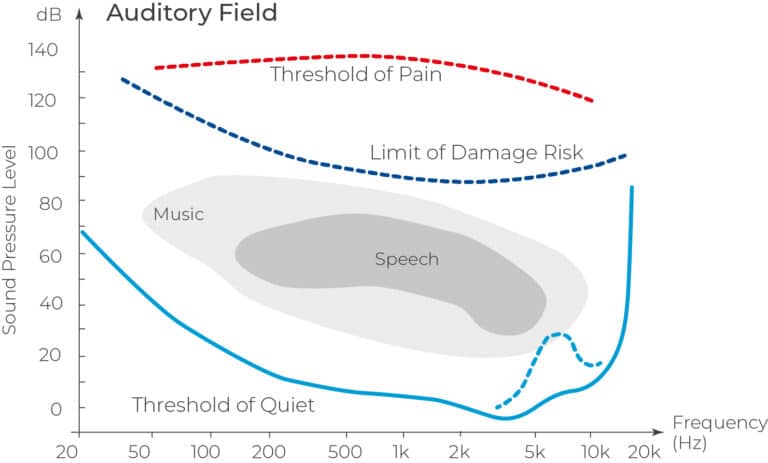
The most significant sound frequencies regarding human perception, health, and comfort lie within the audible range, known as audio frequencies. These frequencies, typically ranging from 20 Hz to 20,000 Hz, are critical as they directly determine how we perceive sound, influence emotional responses, and affect well-being.

  • Audible Frequencies: This range covers the spectrum of frequencies detectable by the average human ear. It includes everyday sounds such as speech, music, and environmental noise. The ability to interpret these frequencies is fundamental for communication, situational awareness, and the enjoyment of auditory experiences.
  • Infrasound: Frequencies below the audible range, typically under 20 Hz, are classified as infrasound. Although inaudible, these low-frequency sounds can often be felt as vibrations. Infrasound is utilised in geophysical research to monitor volcanic activity and earthquakes, and it can influence human health and behaviour in specific environments.
  • Ultrasound: Frequencies exceeding 20,000 Hz fall into the category of ultrasound. While inaudible to humans, these high frequencies are essential in medical imaging, industrial processes, and animal communication. Ultrasound technology is widely employed in medical diagnostics, such as sonography, as well as in industrial cleaning and material processing.

In summary, while audio frequencies are central to everyday human activity, both infrasound and ultrasound play vital roles in specialised fields. A comprehensive understanding of the full sound frequency spectrum is essential for applications across scientific, medical, and industrial sectors.

What sound frequencies are important

What are most common sound frequencies?

The sound frequencies most commonly encountered in human experience are those associated with speech. Consequently, these frequencies are extensively measured and analysed across various sectors. The human voice typically operates within a specific range: adult males generally possess an average fundamental frequency of around 120 Hz, whilst adult females average approximately 210 Hz. This range is dynamic and varies based on factors such as age, emotional state, and overall health.

Understanding the frequency range of human speech holds significant implications for technology and acoustics. It informs the design and calibration of audio devices, including microphones and loudspeakers, ensuring these frequencies are accurately captured and reproduced. Furthermore, this knowledge is vital for developing effective sound insulation materials used to mitigate unwanted noise and enhance speech clarity. Prioritising human voice frequencies is therefore essential in both technological development and environmental design.

common sound frequencies

The most dangerous sound frequencies are those that pose a risk to human hearing and can cause structural damage to the environment, such as sound blasts from explosions. Prolonged exposure to high-intensity sounds, typically above 85 decibels (dB), can lead to noise-induced hearing loss. This risk is heightened at frequencies between 2,000 and 4,000 Hz, where human hearing sensitivity is the highest. Additionally, extremely low frequencies, when at high intensities, can cause discomfort and physical vibrations, leading to structural damage in buildings or other environments, particularly if these frequencies coincide with the resonance frequencies of objects.

The concept of resonance frequency in this context is crucial. Resonance occurs when the frequency of an external sound matches the natural frequency of an object, leading to an increase in amplitude and potential structural damage. This is particularly relevant in architectural and environmental acoustics, where understanding and mitigating resonance effects are critical to prevent damage. In human health, resonance frequencies within the body can vary, but exposure to intense resonant frequencies can lead to discomfort or even physical harm. Thus, managing and controlling dangerous frequencies, whether high for hearing safety or low for structural integrity, is a key aspect of acoustic design and public health regulations.


Sound transfers energy through its wave nature, a process that can have damaging effects on hearing or structures. This transfer of energy is fundamentally tied to the characteristics of sound waves, such as their frequency and amplitude. Sound waves propagate by causing particles in a medium (like air, water, or solid structures) to vibrate, transferring energy from one particle to the next. The amount and reach of this energy transfer depend largely on the sound wave’s frequency and intensity.

High-energy, low-frequency sound waves, such as those produced by jets or windmills, can travel long distances and penetrate obstacles such as walls, making them audible even inside houses. The low, high amplitude frequencies accompanying explosions can release a large amount of energy in a short period of time, causing physical damage to structures such as glass windows over a wide area. High-frequency sounds, on the other hand, although they can transmit less energy over a distance, can still cause significant damage if their intensity is high enough, as with the waves of ultrasonic cleaners.

How is sound frequency characterised?

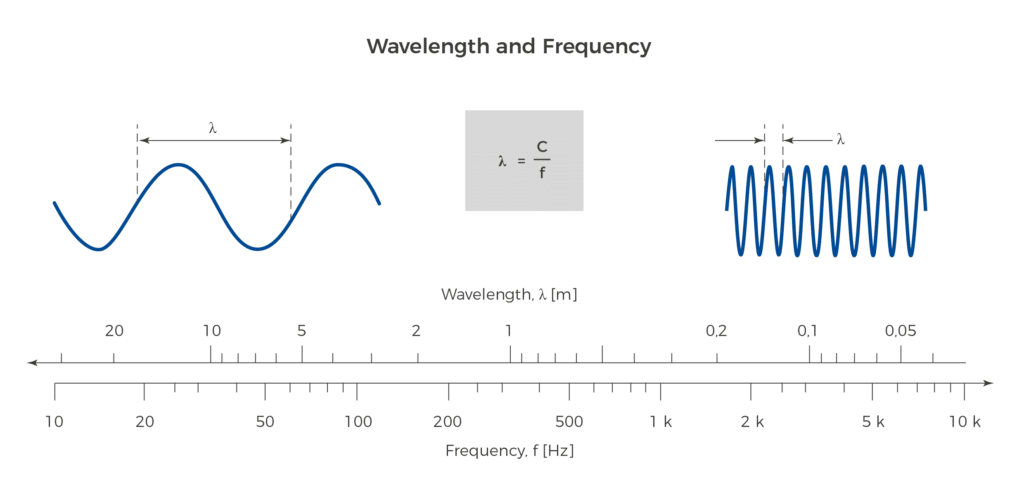
Sound frequency is measured in hertz (Hz), a unit reflecting the wave nature of sound. Hertz measures the number of complete cycles a sound wave undergoes per second. Consequently, frequency is intrinsically linked to the speed of vibration. Higher frequencies correspond to more cycles per second and shorter wavelengths, whilst lower frequencies consist of fewer cycles and longer wavelengths. [Image of high vs low frequency sound waves]

The unit kilohertz (kHz), equivalent to 1,000 Hz, is commonly used to describe higher frequencies, simplifying numerical notation. Distinguishing between high and low frequencies is critical for understanding sound propagation and management. Low-frequency sounds, with their longer wavelengths, can travel significant distances and penetrate obstacles, making them difficult to attenuate. Conversely, high-frequency sounds typically feature shorter wavelengths and are easier to contain. As real-world sound often comprises a mix of frequencies, effective management requires identifying the dominant frequencies that dictate the sound’s behaviour in different environments.

sound frequency characterised

Which sound frequency is used as reference?

In acoustics, 1,000 Hz (1 kHz) is a standard reference frequency chosen to align with the peak sensitivity of human hearing. This frequency serves as a central point for various acoustic measurements and calibration processes. For instance, the A-weighting system, which approximates the human ear’s response to sound, is normalised at this frequency. Consequently, acoustic devices are often adjusted and calibrated using a 1 kHz reference signal to ensure accuracy and reliability in mimicking human auditory perception.

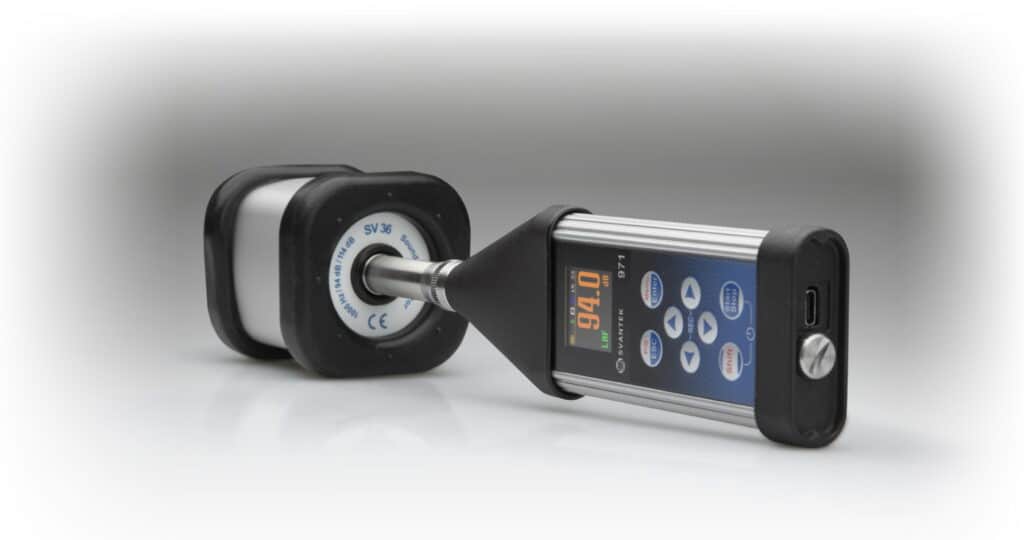
The calibration tone used at this frequency typically has a level of 94 dB, representing a 1 kHz sine wave with a sound pressure level of 94 dB. This setting is the industry standard for testing and adjusting audio equipment. Beyond calibration, various frequency tones, including 1 kHz, are employed to evaluate the sound insulation properties of materials. In urban environments, distinct frequencies are integral to alarm systems, where sirens use specific ranges to produce effective warning sounds. These examples demonstrate the practical importance of the 1 kHz reference frequency across diverse acoustic contexts, from equipment calibration to public safety.

sond frequency reference

How is the sound frequency visualized?

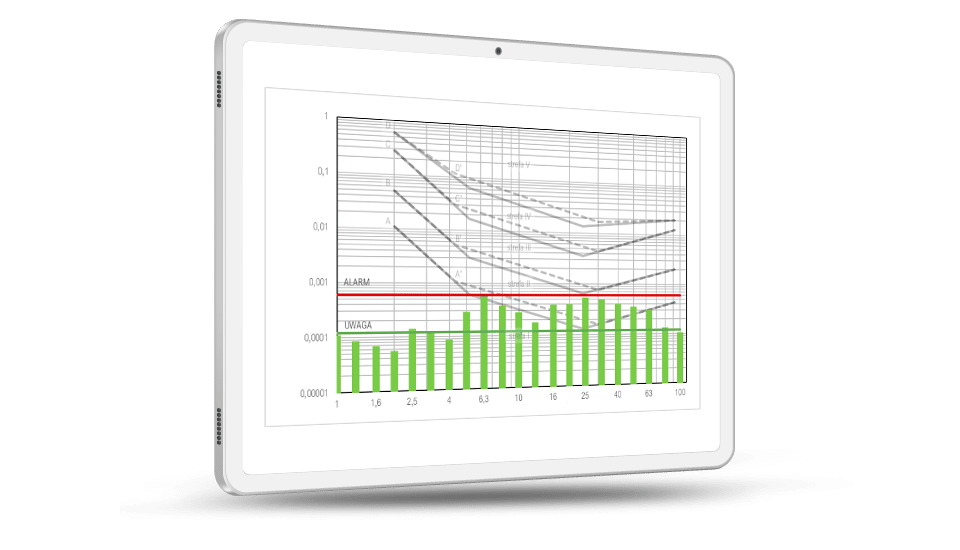
Sound frequency is visualised using a frequency spectrum, where hertz (Hz) is plotted against decibels (dB). In this representation, hertz delineates the frequency axis, whilst decibels indicate the energy or intensity of each frequency. This format clearly depicts how sound energy is distributed across the spectrum.

For example, a spectrum displaying a range up to 20,000 Hz (20 kHz) reveals the energy levels across the band, highlighting dominant frequencies. A peak near 1 kHz, for instance, indicates that this frequency possesses a higher energy level than others. Such visualisations are instrumental in audio engineering, acoustics research, and sound design. They provide valuable insights into sound composition by identifying predominant frequencies and their relative intensities, a process crucial for effective analysis, noise control, and audio optimisation.

most dangerous frequencies

What is the use of frequency spectrum?

The frequency spectrum is a vital tool in acoustics and audio engineering, providing insights into sound signal composition. By displaying the relationship between frequency (hertz) and intensity (decibels), the spectrum allows sound engineers to analyse and understand sound structure. This analysis facilitates the reverse engineering of signals, enabling the control and manipulation of their components. Identifying prominent or problematic frequencies allows engineers to make informed decisions regarding sound modification or enhancement.

Practical applications include machinery maintenance, where the spectrum helps identify damaged components based on emitted sound. In environmental acoustics, it assists in locating sound sources and developing hearing protection strategies without total sound isolation. Furthermore, the spectrum is invaluable for detecting harmonic frequencies, which are integer multiples of a fundamental frequency. Harmonics significantly influence perceived sound quality, and their management often resolves acoustic issues.

Another key application involves measuring voice frequencies, which is vital for music production, broadcasting, and the design of public announcement systems. Tuning these systems to optimal voice frequencies enhances clarity and intelligibility in settings such as auditoriums, conference halls, and public transport. This widespread utility underscores the importance of the frequency spectrum in comprehensive sound analysis and management.

What is the use of frequency spectrum

How to measure sound frequency?

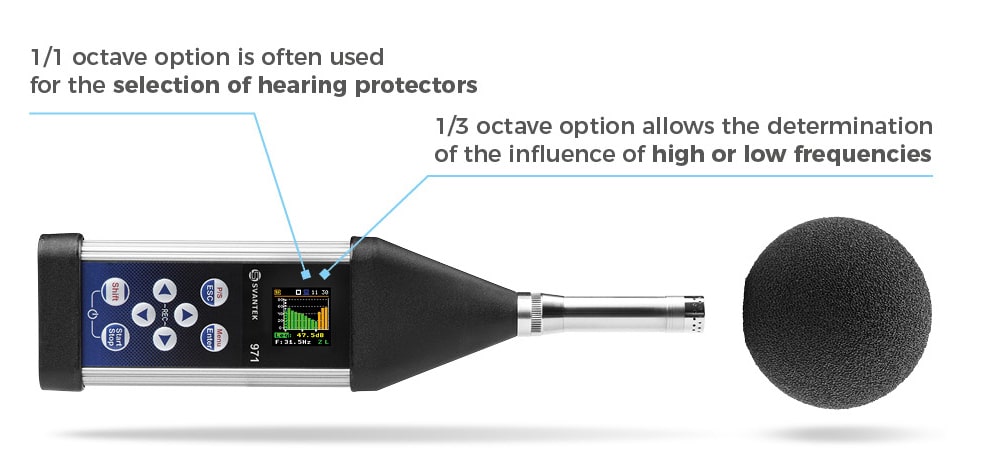
Sound frequency is measured using various devices, most commonly sound analysers equipped with half-inch microphones. Sound level meters with integrated frequency analysis capabilities, such as 1/1 or 1/3 octave band analysis and Fast Fourier Transform (FFT), are widely used tools. These methods form the foundation for a broad range of applications. One-third octave analysis is particularly valued as it closely mirrors human hearing characteristics, making it essential for voice frequency analysis, building acoustics, and occupational noise exposure assessments.

Specialised sound analysers are employed for low and high frequencies. Low-frequency sounds, characterized by longer wavelengths, often require larger diameter microphones (e.g., 1 inch) for accuracy. Conversely, high-frequency sounds, including ultrasound, are typically measured using smaller diameter microphones (e.g., 1/4 inch). For applications focusing on the human auditory spectrum, a Microphone in Real Ear (MIRE) is used, inserted into the ear canal via a tube for precise measurement. Signals captured by these microphones are processed by a Digital Signal Processor (DSP) to calculate and visualise spectrograms. These spectrograms provide a detailed representation of frequency content, enabling in-depth analysis of the sound’s characteristics and impact.

What are examples of frequency meters for sound?

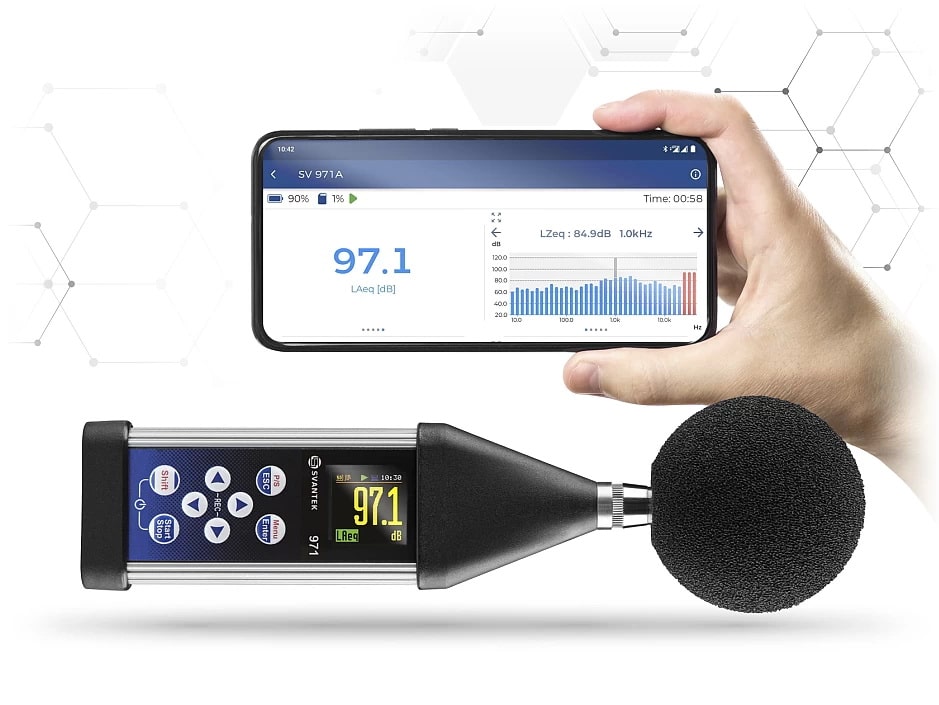
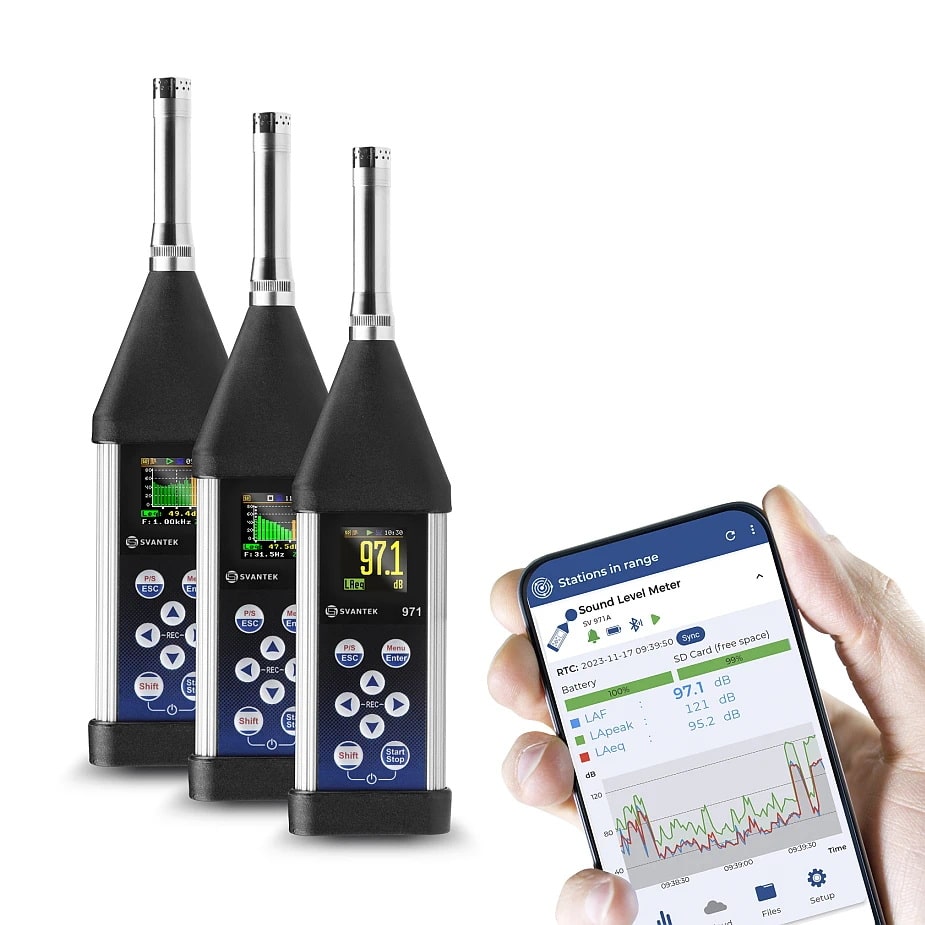
Sound frequency meters vary in design to measure specific frequency ranges. The SV 977 measures ultrasound frequencies up to 40 kHz, making it suitable for high-frequency analysis. For audio frequencies, devices such as the SV 971A measure ranges from 5 Hz to 20 kHz, covering the majority of the human audible spectrum. This capability is critical for general acoustic studies, audio equipment testing, and environmental noise monitoring.

For infrasound, meters like the SV 979 measure frequencies as low as 3 Hz. These devices are essential for seismic monitoring, natural phenomena studies, and industrial settings involving low-frequency vibrations. Furthermore, specialised equipment such as the SV 102A utilises MIRE (Microphone in Real Ear) technology for precise measurement within the human ear. This application is particularly important in aviation, where accurate assessment of sound exposure in the ear canal ensures hearing protection and safety for jet pilots.

frequency meter for sound

How do sound level meters measure frequencies?

Sound level meters typically measure frequencies using two primary methods: n-octave filtering and Fast Fourier Transform (FFT).

  • N-Octave Filtering: This method divides the broad range of audible frequencies into smaller, manageable bands, each covering an octave. An octave represents a frequency band where the upper frequency limit is twice that of the lower limit. By employing n-octave filters, sound level meters can effectively categorise and analyse sound frequencies within these specific bands. This approach simplifies the complex spectrum, facilitating easier data interpretation in various contexts. N-octave filtering is particularly beneficial in noise analysis and environmental acoustics, where understanding the distribution of sound energy across different bands is essential.
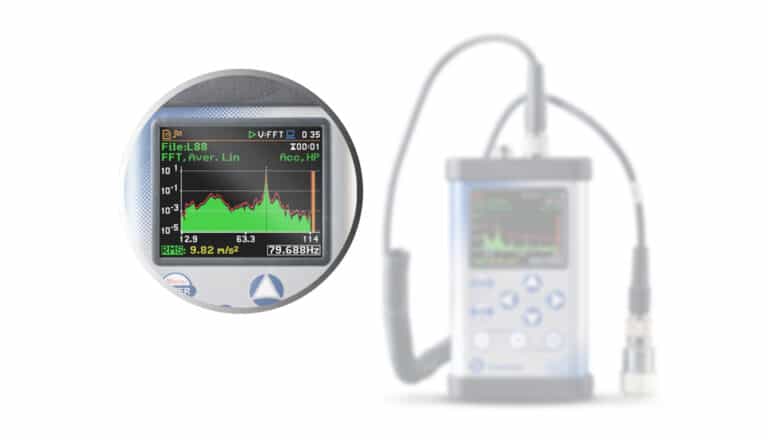
  • Fast Fourier Transform (FFT) Methods: FFT is a mathematical algorithm that converts a sound signal from the time domain to the frequency domain. This conversion reveals various frequency components and quantifies their intensities. The FFT method is invaluable for conducting in-depth frequency analysis, particularly for complex sounds such as music, speech, or electronic signals. Through FFT, sound level meters provide a comprehensive view of sound characteristics, enabling the precise identification of individual frequency components and their contribution to the overall sound.
How do sound level meters measure frequencies

Key Takeaways

  1. Sound Frequency Analysis Methods: Sound frequency is analysed using n-octave filtering and Fast Fourier Transform (FFT), facilitating the dissection of complex sound spectra for applications such as sound design and noise control.

  2. Frequency in Sound: Measured in hertz (Hz), sound frequency represents the number of vibrations per second within a sound wave. Frequency analysis involves decomposing complex signals into their fundamental frequencies.
  3. Important Sound Frequencies: Audio frequencies within the human audible range (20 Hz to 20,000 Hz) are crucial for perception and well-being, whilst infrasound and ultrasound possess specialised applications.
  4. Common Sound Frequencies: Frequencies associated with human speech—approximately 120 Hz for males and 210 Hz for females—heavily influence technology and acoustics, impacting device design and environmental acoustic planning.
  5. Dangerous Sound Frequencies: Frequencies between 2,000 Hz and 4,000 Hz, particularly at levels exceeding 85 dB, pose significant risks to hearing. Resonance frequency also plays a key role regarding structural integrity and potential physical damage.
  6. Energy Transfer in Sound: Sound transfers energy through wave propagation. Low-frequency sounds are capable of travelling greater distances, whereas high-frequency sounds can cause immediate damage in high-intensity scenarios.
  7. Characterisation of Sound Frequency: Characterised in hertz (Hz), frequency defines the cycle rate; higher frequencies exhibit more cycles per second, whilst lower frequencies exhibit fewer, directly impacting propagation and control measures.
  8. Reference Sound Frequency: The 1 kHz frequency aligns with the peak sensitivity of human hearing and serves as a standard reference for acoustic measurements, calibration, and public safety applications.
  9. Visualisation of Sound Frequency: Frequency is visualised using a spectrum that plots hertz against decibels to illustrate energy distribution. This is a vital tool for audio engineering and sound optimisation.
  10. Frequency Spectrum Uses: The frequency spectrum assists in analysing sound composition, detecting damaged machinery components, identifying noise sources, and tuning public announcement systems for clarity.
  11. Measuring Sound Frequency: Sound frequency is measured using analysers equipped with microphones. One-third octave analysis is particularly valued for mirroring human hearing, whilst specialised devices address low and high frequencies.
  12. Examples of Frequency Meters: Devices such as the SV 977, SV 971A, and SV 979 measure diverse frequency ranges. Systems like MIRE are employed for precise in-ear measurements in aviation and other critical contexts.
  13. Sound Level Meter Frequency Measurement: Sound level meters utilise n-octave filtering and FFT to categorise and analyse frequencies, supporting noise analysis and detailed studies of sound characteristics.

Ask for the price offer for
Sound Frequency Level Meter


    Please indicate the subject of your enquiry:

    I hereby consent to the processing of my personal data, i.e. my full name and e-mail address, by SVANTEK SP. Z O.O. with its registered office in Warsaw at ul. Strzygłowska 81 for the purpose of receiving marketing information on the products and services offered by SVANTEK SP. Z O.O. via electronic means of communication, in particular via e-mail, in accordance with the provisions of Article 10 sec. 1 and 2 of the Act on providing services by electronic means.

    I hereby consent to the processing of my personal data, i.e. my full name and phone number, by SVANTEK SP. Z O.O. with its registered office in Warsaw at ul. Strzygłowska 81 for the purpose of marketing activities with the use of telecommunications terminal equipment and automatic calling machines within the meaning of the Telecommunications Act.

    I hereby consent to receiving from SVANTEK SP. Z O.O. with its registered office in Warsaw at ul. Strzygłowska 81, via electronic means to the e-mail address I have provided, the newsletter and marketing information on the products and services offered by SVANTEK SP. Z O.O., within the meaning of the Act on providing services by electronic means.


    I declare that I have been informed that my data may be transferred to entities that process personal data on behalf of the Administrator, in particular to distributors - such entities process data on the basis of an agreement with the Administrator and exclusively in accordance with its instructions. In such cases, the Administrator requires third parties to maintain the confidentiality and security of information and verifies that they provide appropriate measures to protect personal data.

    Some of the entities processing personal data on behalf of the Administrator are established outside the EEA. In connection with the transfer of your data outside the EEA, the Administrator verifies that these entities provide guarantees of a high level of personal data protection. These guarantees stem in particular from the obligation to apply the standard contractual clauses adopted by the Commission (EU). You have the right to request a copy of the standard contractual clauses by sending a request to the Controller.

    I declare that I have been informed on my right to withdraw my consent to the processing of my personal data at any time, to access the provided personal data, to rectify, erase, restrict processing and object to the processing of my data, as well as the right to lodge a complaint with the President of the of the Personal Data Protection Office in the event of an infringement of the provisions of GDPR.