Structural Vibration Management
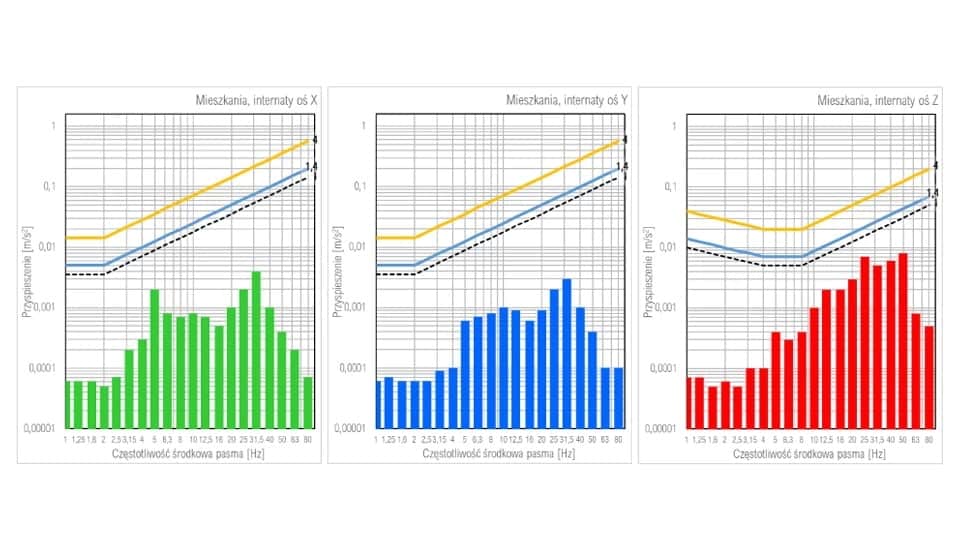
Building vibrations can cause human physical and psychological distress. Measuring these levels against British Standard BS 6472-1 identifies excessive movements, allowing for mitigation to maintain safety and comfort.
Classification of Building Vibration Sources
Vibration sources are categorised by their location relative to a structure and can operate either continuously or periodically. Occupants often remain passive recipients of these forces, which are transmitted through the building’s foundations or frame.
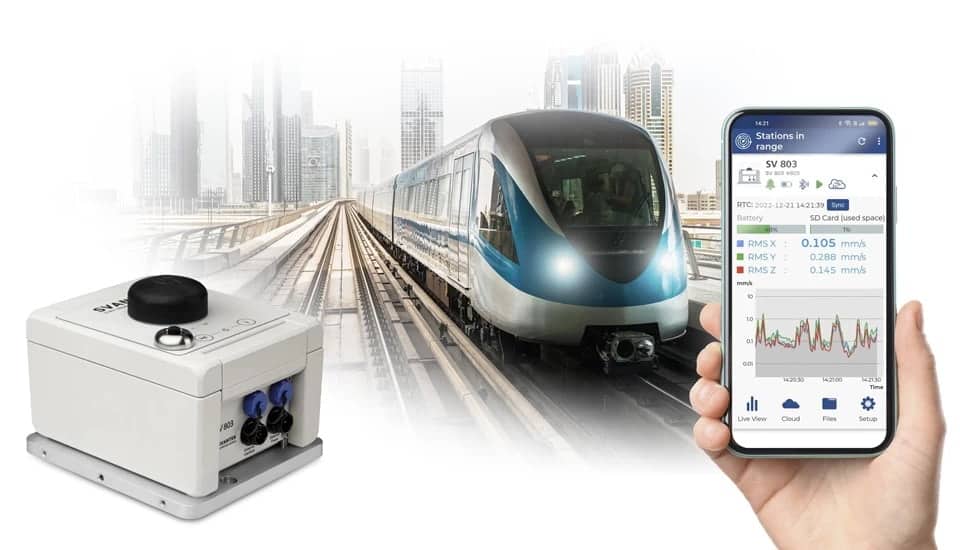
- External Sources: These typically originate from the ground and are often the most significant cause of structural excitation. Common UK examples include road and rail traffic (particularly heavy vehicles and underground trains), construction activities such as piling or demolition, and industrial processes like forging.
- Internal Sources: These are frequently found within the building itself and may arise from mechanical plant—such as HVAC systems, lifts, and pumps—or human activity, including footsteps or rhythmic movement in gyms.
- Transmission and Radiation: Mechanical waves moving through a structure can be perceived directly as physical vibration or may re-radiate as audible structure-borne noise when they cause surfaces like walls or windows to vibrate.