

Noise monitoring for data centers
Data Center Noise Monitoring System Don’t just meet the limits. Prove it.
Continuous Class 1 noise monitoring for data center construction and operation. PoE-powered SV 303 terminals on site, solar-powered 4G SV 307A stations off site, at the nearest homes, and every result on your own server with SvanLINK.
Why data center noise monitoring matters
Data center noise Near homes, all night, at low frequencies
Data centers built close to communities
New campuses are often built next to homes, schools and offices.
Cooling plant running around the clock
Servers turn power into heat, so chillers, dry coolers and fans operate day and night. Nighttime limits are usually the strictest.
Low-frequency noise from 63 to 250 Hz
Cooling equipment produces tonal, low-frequency components that travel farther than high-frequency noise. A single dB(A) value does not describe them fully; 1/3-octave analysis does.
Why 1/3-octave analysis matters
■ Band level ■ Above criterion – – Criterion curve

Illustrative 1/3-octave spectrum at a nearby facade at night. An overall A-weighted level can be within the limit while individual low-frequency bands rise above a criterion curve. Spectral data shows exactly which bands to address.
New data centers
Planning approval and permits
Noise is part of planning approval. A measured baseline gives the application a solid foundation.
Operating data centers
Documented noise compliance
Continuous records show that noise conditions are met, day and night, throughout the life of the site.
Community
Good relations with neighbors
Answer questions from residents and authorities quickly, with measured data instead of estimates.
Send us the site plan and the limits. We will propose the measurement points.
See it in action
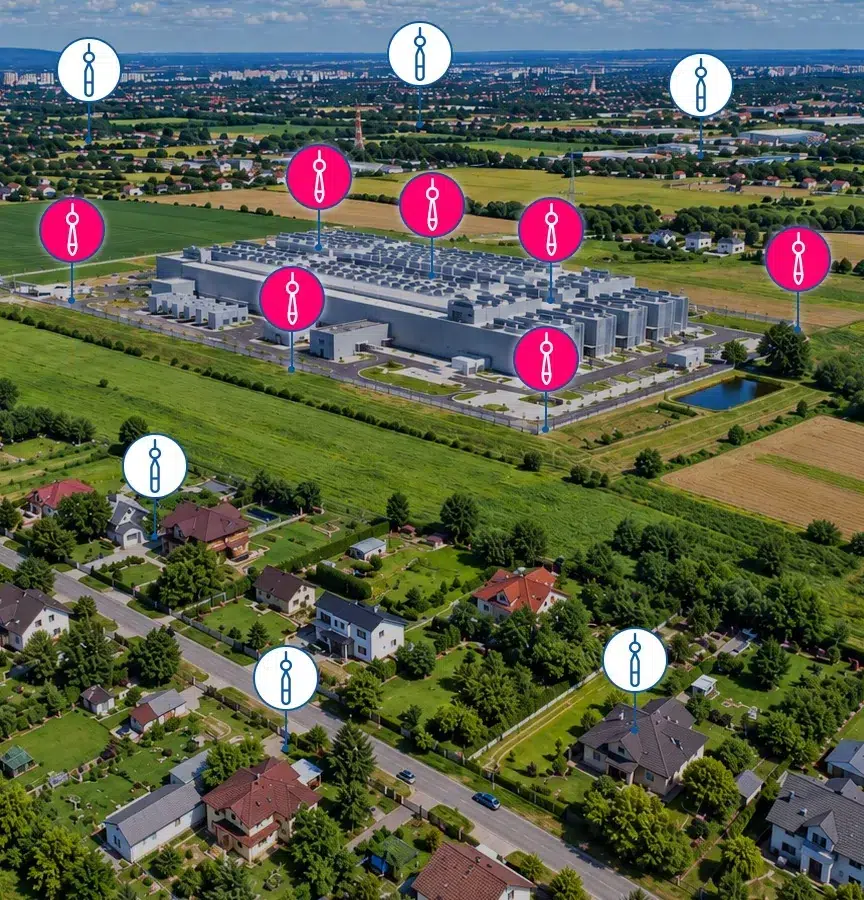
Data center noise monitoring in action From the fence to the facade
How SV 303 and SV 307A cover a data center site, and how the data reaches your own server through SvanLINK.
System requirements
What a data center noise monitoring system should deliver
Four requirements for a monitoring system, from the first planning study to long-term operation.

On-site and off-site measurement points
On site
Inside the facility and on the property line or fence — where PoE is often already in place for security cameras.
Off site
At the nearest receptors, such as homes and schools, usually with no wired power or network.

Data confidentiality
Measurement data goes to the operator’s own server, so operational information stays inside the organization.

Reliable, verified data
A built-in system check verifies microphone performance automatically, so you can show that each point was working, not only that it was installed.

Noise data integrated with building data
Overall levels, spectra and audio recordings, ready to be read next to power usage, temperature and other building data streams.
The SVANTEK solution
Noise monitoring on site and off site Two instruments, one system
Measure at the source on site, and off site at the nearest receptors. Each location gets the instrument that fits its power and connectivity — both report to the same system.

One noise monitoring network, on site and off site

On site · at the source
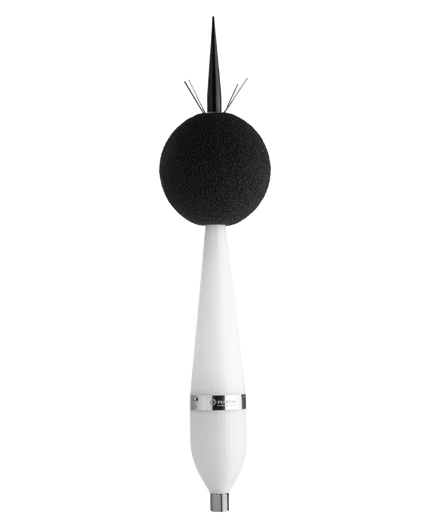
SV 303 noise monitoring terminal on PoE
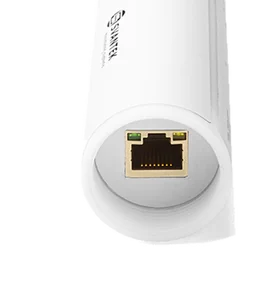
Fence lines and plant yards usually have structured cabling for CCTV and access control. The SV 303 joins that network, so no new power or data cabling is needed.
SV 303
+
SP 82 PoE
→
SvanLINK

Off site · where people live
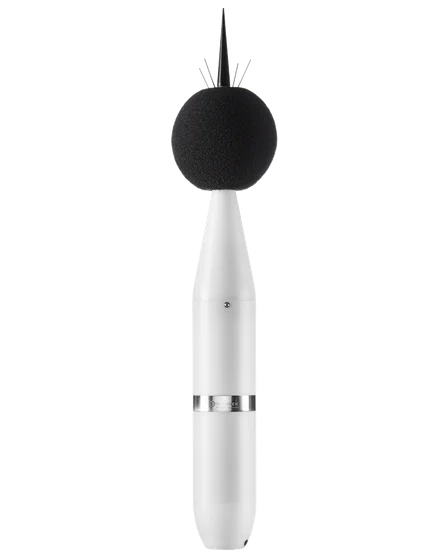
SV 307A noise monitoring station on solar and 4G
Receptor points are in gardens, on facades and along residential streets. The SV 307A brings its own power and connectivity, so one person can install it quickly and move it when monitoring needs change.
SV 307A
→
4G
→
SvanLINK
On site
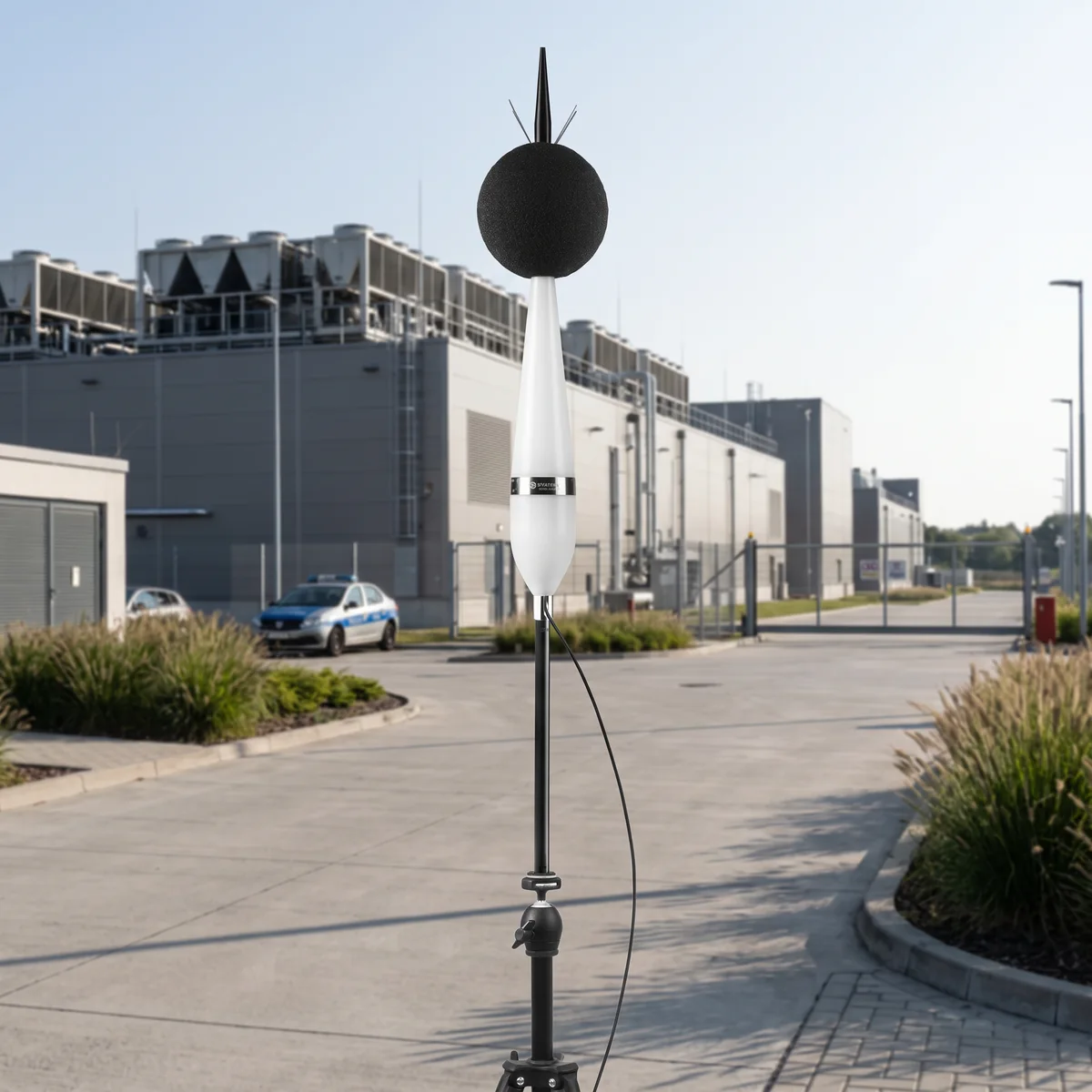
SV 303 Noise monitoring terminal with SP 82 LAN interface (PoE)
Compact and cost-effective: a Class 1 terminal built for multipoint monitoring. It has no built-in wireless; on a data center site it connects to the LAN, with power and data over one cable through the SP 82.
Off site
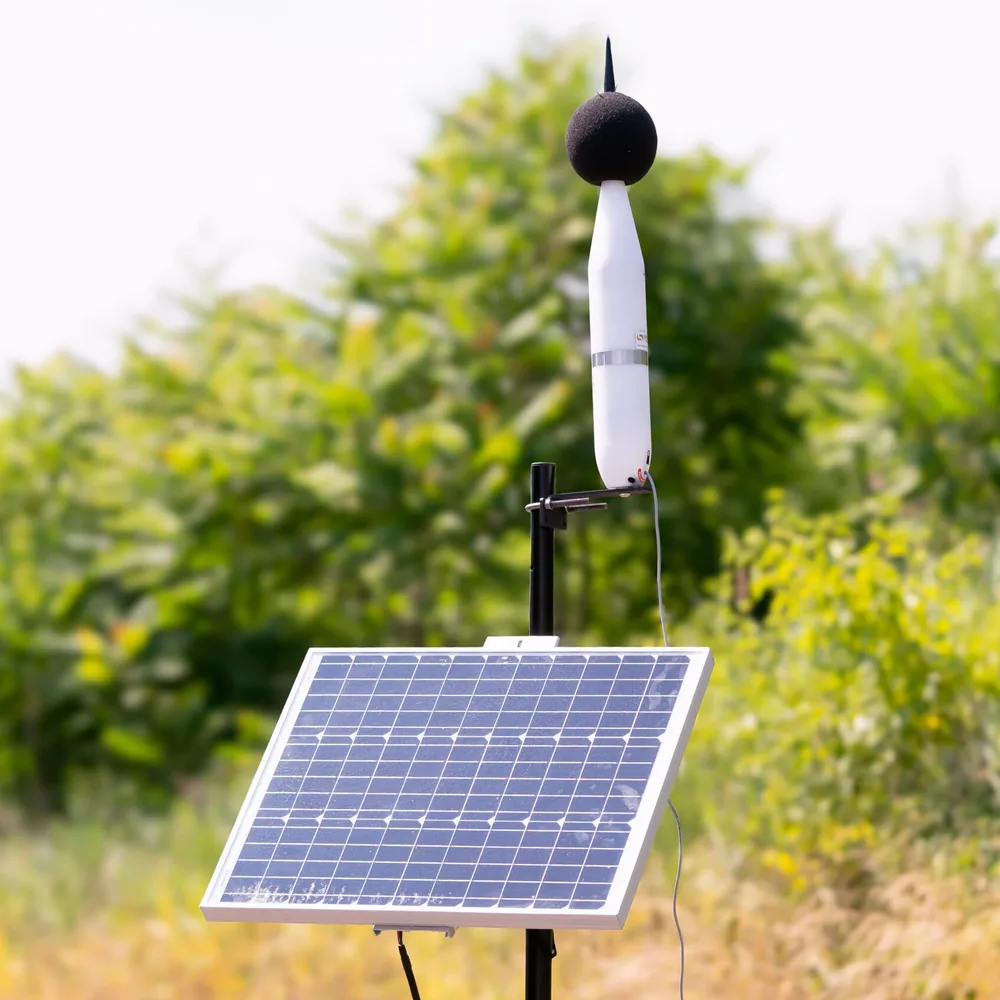
SV 307A Noise monitoring station with solar panel and 4G
A Class 1 wireless station with integrated 4G and GPS, for permanent all-weather monitoring at homes and other sensitive receptors — no mains power or network cable needed.
Sample configuration
Example: 12 noise measurement points, one system
Six points on the fence, six at the nearest receptors. Every site is different — tell us the distances and the limits, and we will size it for you.
+
6 × SV 303 + 6 × SP 82
On site, powered over Ethernet
+
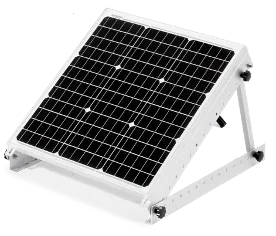
6 × SV 307A + 6 × solar panel
Off site, solar powered
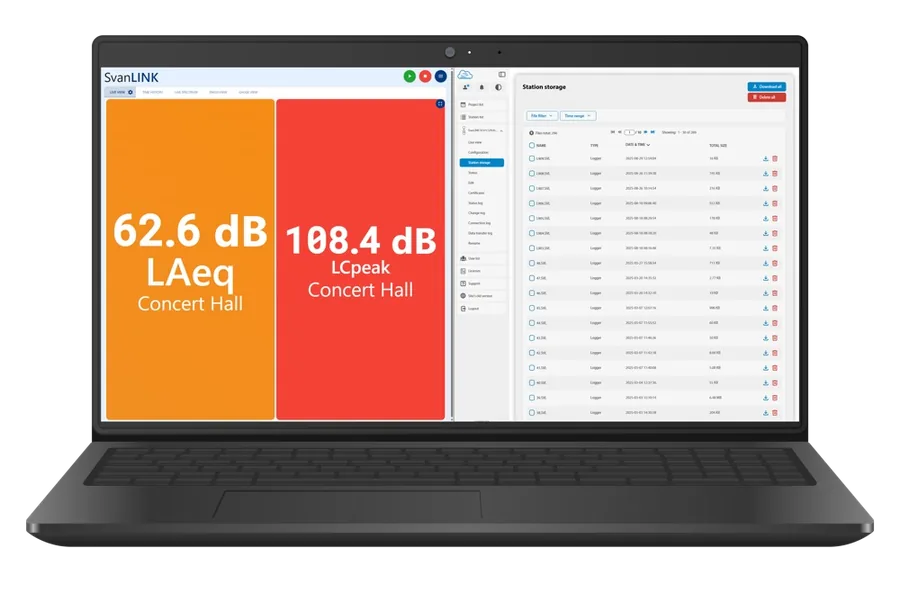
1 × SvanLINK
Data to your own server
Data management
SvanLINK noise data platform Your data, on your own server
SvanLINK runs on your own PC or server and collects data from every connected meter, wired or over 4G. It shares the results with your displays and applications; cloud access through SvanNET is optional.
Data sources
SV 303 terminals
On site, over PoE / LAN
SV 307A stations
Off site, over 4G
Other SVANTEK meters
Compatible instruments on the same project
SvanLINK
Collects data from connected meters and shares it with your displays and applications.
Open API for third-party integrations
Python, Java, cURL, JS, Go
Results and access
Your server
Runs on your own PC or server
Live results
On a display in the control room
Noise next to your building data
Read levels and spectra alongside power usage, temperature and cooling load in your BMS or DCIM.
Find the dominant source
Spectra and audio recordings help you identify which plant item dominates.
Built-in system check
Each instrument checks its microphone automatically, so a point that stops measuring correctly shows up.
Who it is for
Noise monitoring for every stage of a data center project
One data center, three stakeholders. Contractors, operators and local authorities all work from Class 1 data, from construction through operation.
01
During construction
General contractor
Document construction noise against permit conditions from the first day on site and keep residents informed with measured data.
02
In operation
Data center operator
Demonstrate compliance continuously, identify dominant noise sources and keep the records on your own infrastructure.
03
Oversight
City council and authorities
Measure independently at homes and schools, and base planning and permit decisions on Class 1 data.
Noise at work
Occupational noise monitoring in data centers with the SV 104A noise dosimeter
Environmental monitoring covers the community around the site. Occupational noise monitoring covers the team inside: technicians in server halls, cooling plant rooms and generator areas. The SV 104A personal noise dosimeter measures each person’s exposure across the full shift.
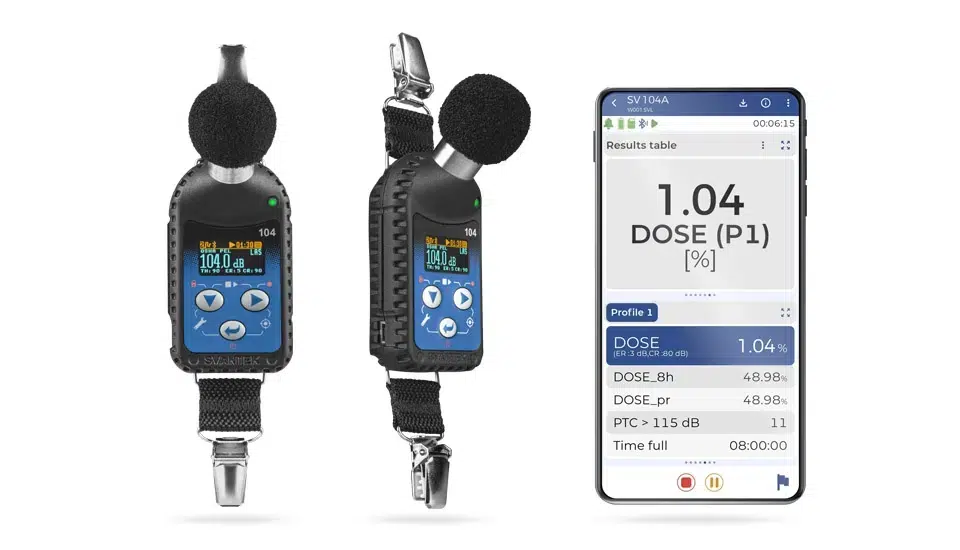
Personal noise dosimeter
SV 104A
A compact, shoulder-worn dosimeter for personal noise exposure measurements to OSHA, MSHA, ACGIH and ISO 9612 criteria.

Simple use
Preconfigured and ready to use
Long battery
48-hour runtime for multi-shift work

Lifetime mic
Patented, shock-resistant MEMS microphone
ASSISTANT PRO app
Bluetooth® control, data preview and real-time alerts
Built-in triaxial sensor
Reduces artifacts from movement and vibration
8 GB memory
Time-history logging, high-contrast OLED display
Octave analysis and audio
Real-time 1/1 and 1/3-octave bands, triggered audio recording (options)
Supervisor software
Predefined ISO, OSHA, MSHA and ACGIH setups and report templates
3-year warranty
On hardware, lifetime warranty on the MEMS microphone
How occupational noise measurement works
1

Clip on and start
Clip the dosimeter to the technician’s shoulder at the start of the shift and start the measurement.
2

Measure the full shift
The dosimeter records on its own. Optionally, follow results and alerts live in the ASSISTANT PRO app.
3

Report in Supervisor
Download the data and use the report templates for the exposure assessment.
Environmental noise monitoring
SV 303 and SV 307A, for planning and permit conditions
Occupational noise monitoring
SV 104A, for workplace exposure limits
Data center noise explained
Data center noise monitoring FAQ
Measurement points, low-frequency noise, power, connectivity and data ownership.
Why is data center noise measured in 1/3-octave bands?
Chillers, dry coolers, fans and transformers produce tonal, low-frequency components, typically between 63 and 250 Hz. An overall dB(A) value can stay within the limit while one band remains clearly audible at nearby homes. 1/3-octave spectra show which band is responsible and support tonal and low-frequency assessment methods.
Where should noise measurement points be placed around a data center?
Usually at the property line or fence, close to the dominant plant such as cooling units and generators, and at the nearest noise-sensitive receptors — homes, schools, hospitals. The final layout follows the permit conditions and the distances to those receptors. We can propose a layout from a site plan.
Can the SV 303 terminal use the existing site network (PoE)?
Yes. The SP 82 LAN interface with PoE carries power and data over a single Ethernet cable, so terminals can use the cabling already installed for security cameras and access control.
How is noise monitored where there is no power or network?
Use the SV 307A. It is a wireless station with integrated 4G and GPS, powered by a solar panel, internal battery or AC mains, so it can run at a garden or street location without a network cable.
Does noise measurement data stay within our organization?
Yes. SvanLINK runs on your own PC or server and collects the data from the connected meters there. Third-party systems can read it through the SvanLINK API, with code examples in Python, Java, cURL, JavaScript and Go.
How does the system verify that every measurement point works correctly?
Each instrument has a built-in system check that verifies microphone performance automatically: a continuous system check on the SV 303 terminals and a patented remote system check on the SV 307A stations, so the record can be trusted when it is reviewed.
Can we use a cloud service instead of our own server?
Yes. SV 307A stations connect to SvanNET AMS, the SVANTEK cloud platform for real-time monitoring, automated alarms, remote access and automatic reporting; SV 303 terminals connect through the SD 311 monitoring system controller. Choose SvanLINK when data must stay on your own infrastructure, SvanNET AMS when a managed cloud is preferred.
Can noise data be combined with other building data?
Yes. Through the SvanLINK API, levels, spectra and events can be read into a BMS, DCIM or data platform and compared with power usage, temperature or cooling load.
How is occupational noise exposure measured in a data center?
Technicians wear the SV 104A personal noise dosimeter on the shoulder for the whole shift, in server halls, plant rooms and generator areas. Results are evaluated to OSHA, MSHA, ACGIH and ISO 9612 criteria.
Get a quote
Request a quote for data center noise monitoring
Tell us where the site is, what stage it is at and what you have to report. We will propose instruments, measurement points and a data setup.
