Vibration measurements

Vibration measurements in the UK

Vibration measurements are frequently the sole method to detect and prevent any damage to structures, machinery, or even human health. Understanding the various indicators used in measuring vibration is complicated, but it’s essential to comprehend how RMS and PEAK values are calculated based on distinct vibrational velocity and acceleration signals.

The second part of the Academy covers the following topics:

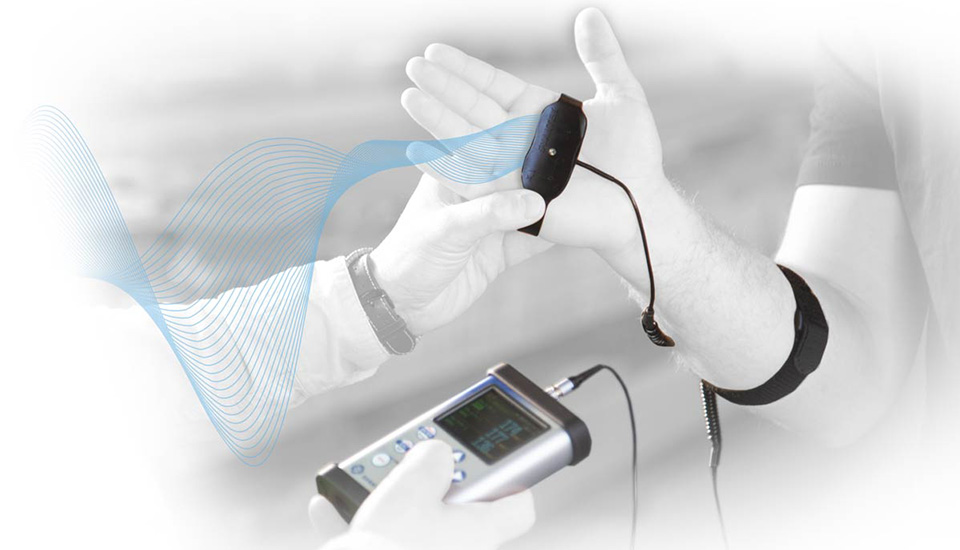
  • hand-arm and whole-body vibration and vibration exposure following ISO standards
  • building and ground vibrations monitoring following DIN and BS standards
  • machine vibration measurements following ISO standards

Sign up for the newsletter and keep an eye out for new content every week!

Vibration Measurements

Machine Vibration Measurements in the UK

Machine Vibration Measurements in the UK Comprehensive Overview, Techniques, Applications, and Instrumentation Overview of Machine Vibrations In the UK’s industrial landscape, understanding and effectively managing machine vibration is paramount for ensuring the health and efficiency of industrial machinery. Machine vibration plays a crucial role in assessing dynamic conditions that affect machinery, such as balancing issues, […]

Vibration Monitoring Guide

Comprehensive Guide to Vibration Monitors, Sensors, Noise, and Dust Monitoring in Construction: Real-Time Analysis and Equipment Vibration monitoring in construction encompasses the use of advanced equipment and methodologies, such as PPV and RMS analysis, to assess and mitigate the impact of construction-related vibrations on structures and human comfort. By adhering to international and local standards, […]

TEDS Transducer

TEDS Transducer – what it is and how it works A TEDS transducer is a sensor equipped with built-in memory that stores essential identification and calibration data. TEDS stands for **Transducer Electronic Data Sheet**, and it allows for **automatic sensor recognition**, enabling the measurement system to instantly apply the correct settings upon connection. This feature […]

What is vibration

What is Vibration: Definition, Types, and Testing Vibration is the oscillatory motion of an object around a reference position, characterised by its frequency, amplitude, and energy, which can originate from natural phenomena like earthquakes or man-made sources such as machinery. It encompasses a broad spectrum of physical contexts, impacting engineering, environmental science, and human health […]

Vibration Risk Assessment

Improved Methods Of Assessment Of Vibration Risk Measurement methods described in BS EN ISO 5349-1 and BS EN ISO 5349-2 are subject to a high level of uncertainty (±20% to 40%). The only proper solution to decrease the level of this uncertainty is the use of daily vibration exposure meters (DVEM). Similar to noise dosimeters, […]

Assessment of Whole-Body Vibration Risk In Moving Vehicles

Improved Methods Of Assessment Of Whole-Body Vibration Risk In Moving Vehicles Improved Methods Of Assessment Of Whole-Body Vibration Risk In Moving Vehicles use GPS location and speed data to enhance the accuracy in line with BS ISO 2631-1 standards. New BS ISO 8041-2 vibration dosimeters make it possible to find high-risk areas by mapping simple […]

Transducer

What is a Transducer? Transducers convert energy from one form to another, enabling the measurement, monitoring, and control of various physical phenomena, especially in sound and vibration applications where they transform mechanical energy into electrical signals or vice versa. Choosing and using the right transducer involves ensuring proper connection, powering, calibration, and regular maintenance to […]

Accelerometer

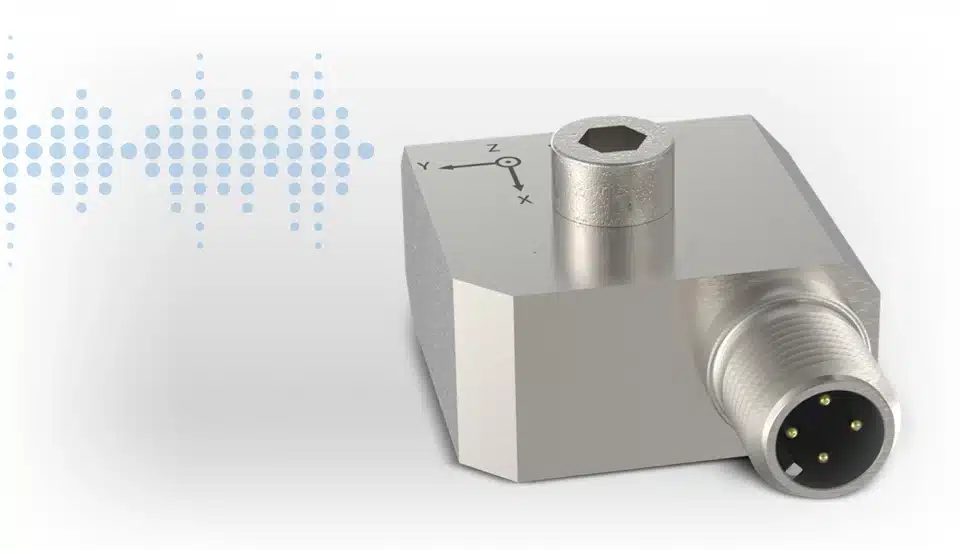
Accelerometer Accelerometers are essential transducers used to measure vibration and acceleration in various applications, including automotive safety, consumer electronics, and industrial machinery. This guide covers the selection, mounting, calibration, data collection, and analysis techniques necessary to effectively use accelerometers for precise vibration measurements. What is an accelerometer? An accelerometer is a transducer that measures vibration […]

Body vibration effects on humans

Whole Body Vibration Whole-body vibrations are mechanical vibrations that enter the human body in the frequency range of 0.1 to 80 Hz. A typical source of whole-body vibrations is vehicles, where vibrations are transferred to the human body via seats or floors. The whole-body vibration is a possible health hazard, especially after prolonged exposure. In […]

Best Hand-Arm Vibration Meter

Colour display USB port LED diode with alarm feature  Tri-axial MEMS sensors Contact force sensors Sensor cable Keypad with locking Best Hand-Arm Vibration Meter SV 103 The UK’s no 1 Check price New ISO 8041:2021 Patented technology 3-axial MEMS Contact Force Logging WAV Recording Frequency Analysis World’s no 1Hand-Arm Vibration Dosimeter 3-year warranty for hardware […]

Vibration monitor

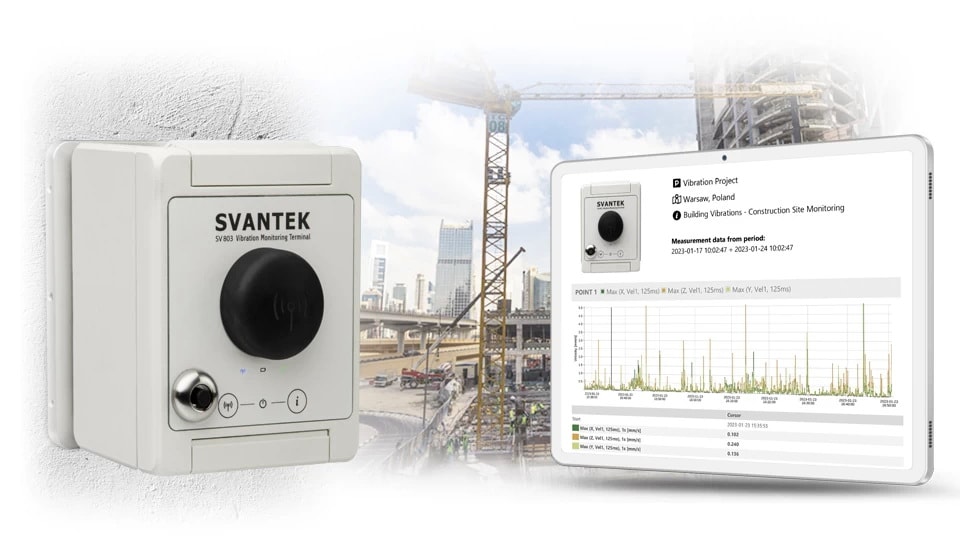
Vibration Monitor SV 803 UK’s No 1 Building and Ground Vibration Monitor Check price Building Ground Vibrations Class 1 Vibration BS ISO 4866 BS 7385-2 DIN 4150-3 VC Curves 4G Transfer SvanNET Online Platform PPV & VDV WAV & FFT 1/3 OCTAVE 4G modem 3-axial vibration sensors (geophones) Solar panel connector Waterproof connectors military standard […]

HAVS – Hand Arm Vibration Syndrome

Do you work with your hands? Do you use vibrating tools or drive a car often? If so, you may be at risk for HAVS. Also known as the vibration white finger (VWF), this condition is caused by extended occupational exposure to vibration. This blog post will discuss the symptoms, causes, and treatment of VWF. […]

Construction vibration monitoring

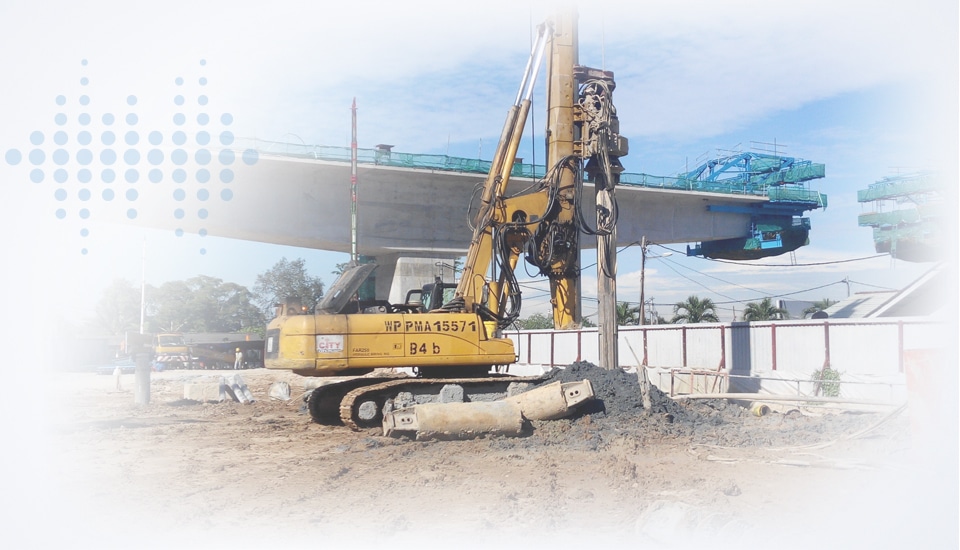
The process of measuring and analyzing vibration levels produced by construction activity is known as construction vibration monitoring. Vibration monitoring can be used to assess the potential impact of construction-related vibration on nearby buildings and structures, as well as to evaluate the effectiveness of mitigation measures. Vibration monitoring at construction sites usually entails measuring the […]

Calibration

Calibration What is a calibration? According to ISO/IEC GUIDE 99:2007, calibration is an operation that establishes a relation between the quantity values and corresponding indications. A calibration may be expressed by a statement, calibration function, calibration diagram, calibration curve, or calibration table. According to the definition given in the International Vocabulary of Metrology (VIM4) calibration […]

Noise Monitoring

Noise Monitoring in the UK Noise monitoring in construction refers to the systematic measurement and analysis of noise levels within and surrounding a work site to ensure compliance with legal and safety standards. This practice is part of the British Standard BS 5228-1:2009+A1:2014, which provides a comprehensive code of practice for controlling noise and vibration […]