Background Noise in Acoustic Measurements Background noise is a critical factor in the domain of acoustics, essential for effective noise control and environmental assessments. It is generally defined as noise that contributes to the total sound level but is not the specific source under investigation. Table of Contents Key Takeaways Definition: While the term “residual […]
COPYRIGHT: ESA–S. Uznański-Wiśniewski Space mission project report: A Deep Dive into the Next-Generation Wireless Acoustics Monitoring System The project successfully tested new commercial-off-the-shelf hardware from Svantek, confirming its reliability, enhanced usability, and seamless data integration, paving the way for its use on future deep-space missions such as the lunar Gateway. Table of Contents Key Takeaways […]
Comprehensive Guide to Vibration Monitors, Sensors, Noise, and Dust Monitoring in Construction: Real-Time Analysis and Equipment Vibration monitoring in construction encompasses the use of advanced equipment and methodologies, such as PPV and RMS analysis, to assess and mitigate the impact of construction-related vibrations on structures and human comfort. By adhering to international and local standards, […]
Sound Energy: Definition, Characteristics, and Measurement Techniques Sound energy is a form of mechanical energy propagated through mediums such as air, water, or solids, emanating from the vibrations of an object and characterized by attributes like frequency, amplitude, and duration. It manifests in various forms, including audible sound within the frequency range perceivable by the […]
AI Noise Sources Identification Enhancing Urban Noise Management with SvanNET AI AI noise sources identification, utilizing advanced technologies like SvanNET AI, enhances urban noise management by accurately recognizing and categorizing various noise types, thereby enabling effective monitoring and targeted mitigation strategies. Combined with the cost-effective SV 303, which addresses the financial barrier for multipoint noise […]
Noise Directivity Improved Methods Of Noise Sources Identification Addressing the role of noise directivity in environmental noise monitoring, this study presents a comparative analysis of measurement site selection effects, illuminated by an unusual discovery: a dog’s bark perceived as originating from above a noise monitoring setup. This incident not only poses a humorous query regarding […]
Development Of Low-Cost Noise Monitoring Terminals (NMT) Based On MEMS Microphones The article shows and discusses an example of NMTs with MEMS microphone meeting class 1 by IEC 61672-1. The rapid development of MEMS microphones (Micro-Electro-Mechanical Systems) in the last decade years made it possible to use them in noise measurement instrumentation meeting the IEC […]
Dosimeter A dosimeter is a portable measuring instrument designed to be worn on personal clothing. Typically, it is attached to garments using mounting clips, hence the popular term ‘badge dosimeter’. What is a dosimeter? A dosimeter is a portable device designed to measure cumulative exposure to physical agents like noise, vibration, or gases during a […]
Car Racing Noise: Can It Damage Your Hearing? How Many Decibels at the Race Track is Safe? Yes, car racing noise can indeed damage your hearing. The noise levels at events like NASCAR, F1, and MotoGP races often exceed 130 decibels, posing a significant risk to hearing health. How Many Decibels at the Race Track […]
Urban Noise: Management of City Noise Urban noise, originating from sources like traffic, construction, and social events, poses significant public health risks, including stress, sleep disturbances, and cardiovascular diseases, necessitating effective monitoring and regulation. Urban noise management relies on advanced technologies and proactive policies, particularly within smart cities, to ensure healthier and quieter living environments. […]
Whole Body Vibration Whole-body vibrations are mechanical vibrations that enter the human body in the frequency range of 0.1 to 80 Hz. A typical source of whole-body vibrations is vehicles, where vibrations are transferred to the human body via seats or floors. The whole-body vibration is a possible health hazard, especially after prolonged exposure. In […]
The noise in schools is said to be a major stress factor for almost 80% of those who teach in schools. There are also examples of chronic noise-causing hearing damage. Noise pollution in schools Noise pollution in schools is a serious problem that can have negative impacts on the health, productivity, and learning of students […]
Do you work with your hands? Do you use vibrating tools or drive a car often? If so, you may be at risk for HAVS. Also known as the vibration white finger (VWF), this condition is caused by extended occupational exposure to vibration. This blog post will discuss the symptoms, causes, and treatment of VWF. […]
The process of measuring and analyzing vibration levels produced by construction activity is known as construction vibration monitoring. Vibration monitoring can be used to assess the potential impact of construction-related vibration on nearby buildings and structures, as well as to evaluate the effectiveness of mitigation measures. Vibration monitoring at construction sites usually entails measuring the […]
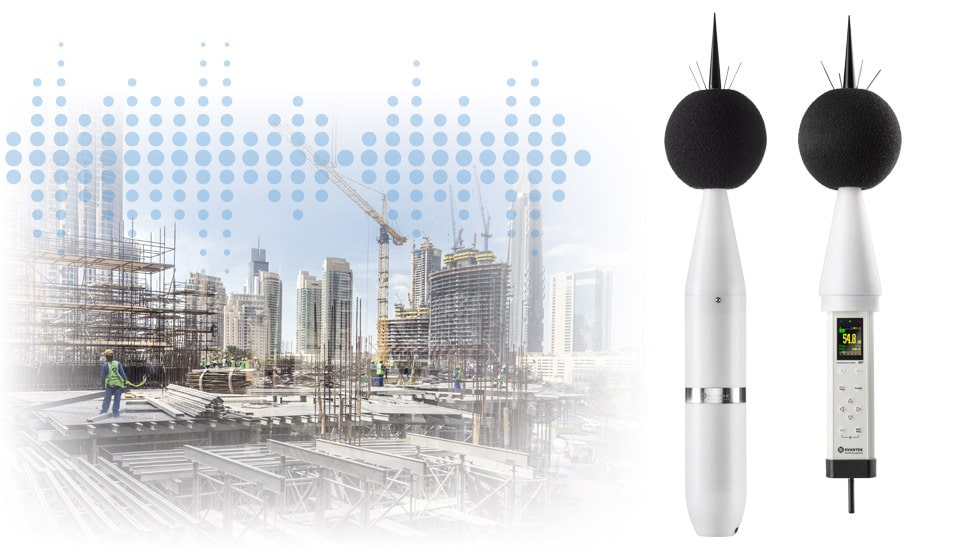
Noise Monitoring in the UK Noise monitoring in construction refers to the systematic measurement and analysis of noise levels within and surrounding a work site to ensure compliance with legal and safety standards. This practice is part of the British Standard BS 5228-1:2009+A1:2014, which provides a comprehensive code of practice for controlling noise and vibration […]
Occupational Noise Exposure in the UK Occupational noise exposure in the UK refers to continuous or high-intensity workplace sound levels that threaten the auditory health of employees. It is a major concern because sustained noise above safe thresholds can lead to permanent hearing loss, hinder communication, and increase the risk of accidents. The UK’s legal […]