
Traffic Noise Management
Vehicle movements generate road traffic noise that can distress residents and impact the natural environment. Chronic exposure to high decibel levels in England is linked to serious health risks, including sleep disturbance, cardiovascular disease, and diabetes. These risks necessitate rigorous monitoring of transport routes to protect public wellbeing and quality of life.

Sources of Transport Noise
Traffic noise is often categorized by its temporal patterns and frequency characteristics, which depend on the specific route:
- Road Traffic: Generally creates a constant, broadband drone. At lower speeds, engine and exhaust noise dominate; at higher speeds (above 30–50 mph), tire-pavement interaction becomes the primary source.
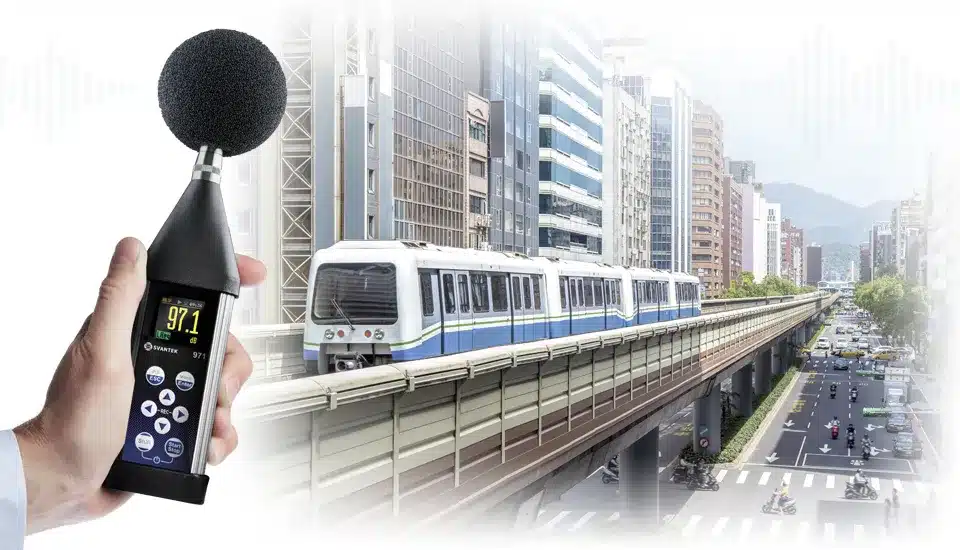
- Rail Traffic: Characterized by intermittent, high-intensity events. Noise stems from the rolling contact of steel wheels on rails, aerodynamic drag at high speeds, and impulsive sounds like whistles or braking.
- Air Traffic: Produces transient, high-decibel “flyover” events. The sound is a mix of high-frequency jet engine whine and low-frequency aerodynamic roar, affecting large geographic areas far from the source.
- Maritime Traffic: While often overlooked, ship noise consists of low-frequency throbbing from engines and propellers, which carries long distances over water and can impact coastal residential areas.
The perceived annoyance of these sounds is influenced by their predictability and rhythm; for instance, the steady hum of a distant highway is often easier to tune out than the sudden, screeching arrival of a train
Determinants of Traffic Noise Levels
Numerous factors influence the volume of noise produced along transport corridors. Key variables include vehicle technologies, such as the transition to quieter electric engines, and the technical maintenance of exhausts and tyres. Road surface quality is also critical; for example, low-noise asphalt can reduce decibel levels by up to seven units compared to traditional materials. Furthermore, the surrounding landscape significantly affects sound propagation. Dense urban buildings often amplify noise through reflection, whereas “soft” ground, tree belts, and hedges can absorb and scatter sound energy, providing natural acoustic relief for nearby residents.
Mitigation of Transport Noise
Reducing noise from motorways and rail networks frequently requires infrastructure upgrades and surface renovations. Acoustic barriers serve as a primary tool for shielding communities, though no single solution offers total elimination. A multi-layered strategy is essential, beginning with the production of Strategic Noise Maps as required. These maps identify “Noise Important Areas” and hotspots, allowing authorities to target interventions effectively. By quantifying decibel levels and identifying specific sources, planners can implement data-driven measures to protect public health and local environments.
Statistical Noise Indicators
Environmental noise assessments primarily use statistical indices (LN levels) to describe how sound varies over a specific timeframe. These metrics represent the decibel level exceeded for n% of the measurement period:
- Background Noise (LA90): This is the sound level exceeded for 90% of the time. It represents the “average minimum” or the underlying residual noise present when intermittent sources, like individual passing cars, are absent. In the UK, LA90 is the standard reference for assessing the impact of new industrial or commercial noise on residential areas under BS 4142.
- Traffic Noise (LA10): This level is exceeded for 10% of the time and captures the louder, “intrusive” peaks such as passing vehicles. The LA10 index—the average of hourly readings between 06:00 and 24:00—is the official UK metric for quantifying road traffic noise and determining eligibility for sound insulation grants.
- Median Noise (LA50): The level exceeded for 50% of the time, providing a statistical midpoint of the fluctuating environment.
- Average Energy (LAeq): Unlike statistical percentiles, this represents the total sound energy averaged over time. It is often used to assess general environmental noise.
Selection of Acoustic Measurement Methodologies
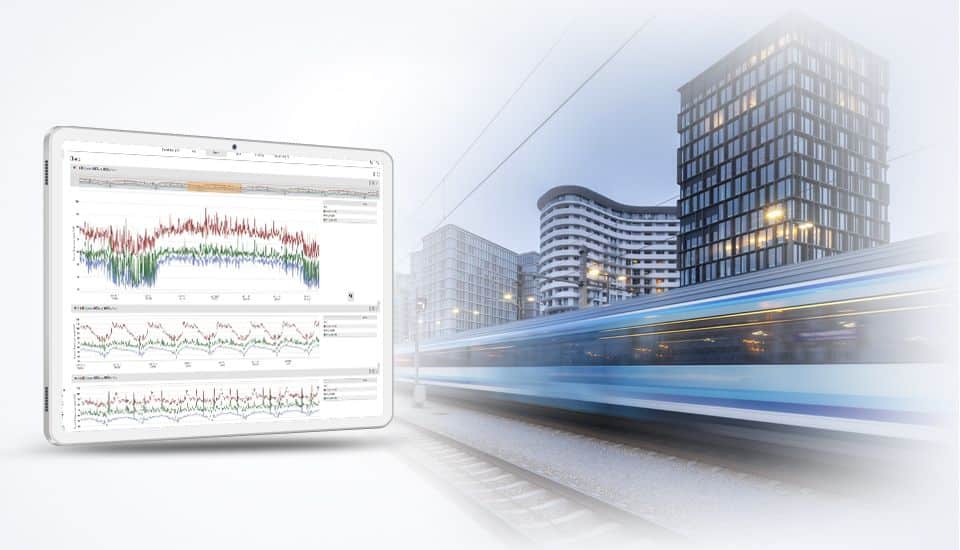
The choice of measurement methodology depends on the specific regulatory requirement and the nature of the noise source. For assessing road traffic, the LA10 index remains the statutory standard for determining insulation eligibility under the Noise Insulation Regulations. When evaluating the impact of new industrial or commercial noise on existing residential areas, BS 4142:2014 is used; this involves comparing the specific noise level to the background LA90 level. For general environmental planning and rail assessments, the LAeq method is preferred as it measures the total sound energy over a set period. Selecting the correct methodology ensures that data is legally robust and aligned with local authority planning conditions or national infrastructure guidelines.
Professional Noise Measurement Instrumentation
For standard-compliant traffic and environmental assessments in the UK, professionals use high-precision Class 1 sound level meters and monitoring stations. These devices meet BS EN 61672-1 standards to ensure data is legally and technically robust.