
Noise from the gym
Noise from gyms and fitness clubs, coming from various sources, can significantly affect the comfort of life of residents, which makes its measurement key to assessing compliance with standards and protecting health.
Noise from gyms and fitness clubs, coming from various sources, can significantly affect the comfort of life of residents, which makes its measurement key to assessing compliance with standards and protecting health.
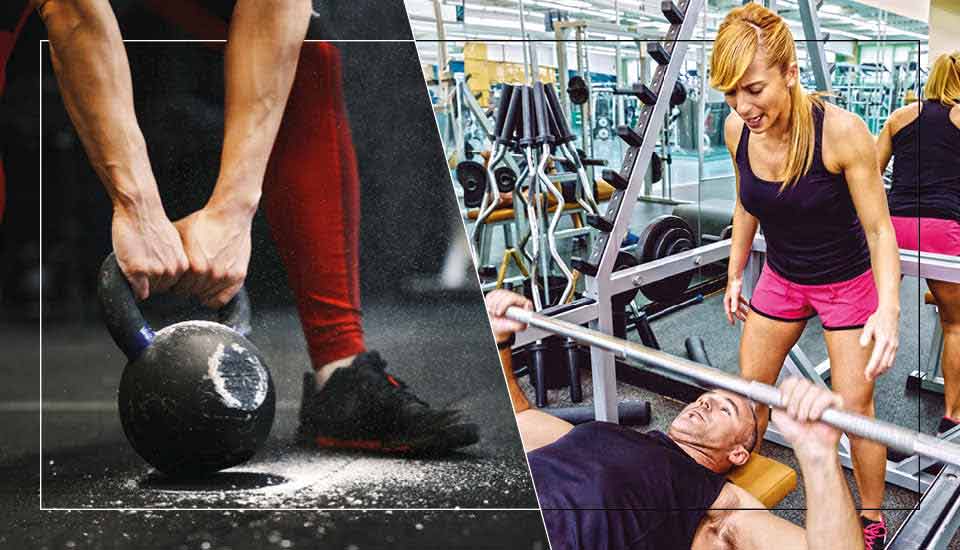
Noise generated by gyms and fitness clubs has various sources, including low-frequency and impulse noise from dropping weights, machine operation, instructor voices, shouting, and loud music. This noise can penetrate neighboring premises through the air and material, which makes it annoying for residents. Due to the long hours of operation of these facilities, noise can affect the comfort of life in the area for most of the day.
Noise level measurement is crucial because long-term exposure to noise from gyms and fitness clubs can negatively affect health, causing sleep and concentration problems and increasing the risk of cardiovascular diseases and mental disorders. The results of the measurements can be used as evidence in disputes with property managers if the noise exceeds the permissible standards.
Noise measurements generated by gyms and fitness clubs are best left to accredited laboratories, which guarantee that the results are in accordance with applicable standards and regulations. Accredited laboratories have the appropriate tools and procedures, which ensures the reliability of the results and their use in possible legal proceedings.
Approaches to noise measurement and regulation for gyms and fitness clubs vary across countries, reflecting different standards and guidelines.
In Germany, gym noise is assessed using the TA Lärm (Technical Instructions on Noise Abatement) and DIN 4109 (Sound Insulation in Buildings). Measurements are typically conducted as “rating levels” (Lr) that include penalties for impulsive components, such as weight drops, and tonal elements like loud music. These assessments ensure that noise does not exceed strict immission limits in residential areas, which can be as low as 35 dBA during rest periods in purely residential zones. Compliance is often verified through a combination of on-site measurements in the “receiving room” (the affected property) and predictive calculations based on international standards like ISO 16283.
In the United States, gym noise is primarily governed by local municipal codes rather than a single national standard, leading to varied enforcement across different cities. Acoustic consultants often utilize Noise Criterion (NC) curves to evaluate background sound levels and ensure gym activities do not exceed the ambient noise of normal building operations, often referencing ASHRAE guidelines for vibration-related issues. For high-impact activities like CrossFit, a common target is to keep impulse noise at least 5 dBA below standard background levels. Additionally, internal exposure for staff and members is monitored against OSHA and EPA thresholds to prevent hearing damage during high-intensity classes.
In the UK, acoustic assessments for gyms typically follow the ProPG: Gym Acoustics Guidance (2023), focusing on sound transmission into sensitive residential areas, particularly those sharing structural partitions. Measurements are conducted within the affected dwellings during peak gym operating hours, with windows closed to evaluate internal impact. Consultants record A-weighted maximum sound levels LAFmax and LASmax to capture sudden impacts from dropped weights, alongside 1/3rd octave band analysis to identify problematic low-frequency vibrations. Audio recordings are frequently used to verify specific noise sources, ensuring the data is robust for planning compliance or legal nuisance investigations.
In Poland, noise assessments for gyms and fitness clubs involve measuring sound levels within adjacent residential spaces, particularly those sharing a common partition with the noise-generating area. Measurements are conducted during periods when noise is most likely to disturb residents, with windows closed to simulate typical living conditions. The focus is on capturing A-weighted equivalent continuous sound levels (LAeq) and maximum sound levels using the SLOW time constant, often accompanied by audio recordings for source verification.
The measurement time includes the noise analysis procedure, but also the time to prepare the measuring equipment, estimate the uncertainty or prepare a report with measurement conclusions. This time can range from a few to a dozen days. The measurement time in a noisy location can take several hours, but there are a number of other activities that must be performed to make the entire noise analysis procedure complete.
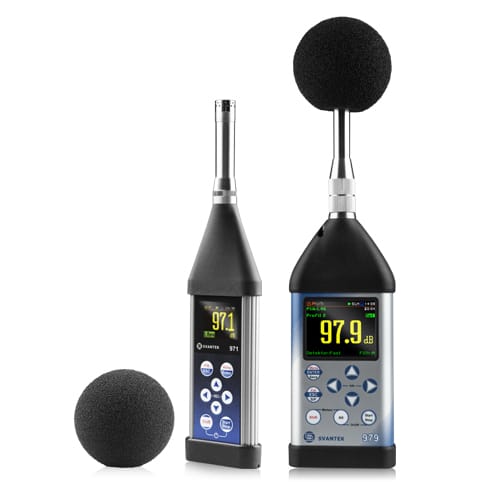
Noise measurement in a premises exposed to noise generated by gyms and fitness clubs should be carried out using a class 1 sound level meter, which has a calibration certificate no older than 2 years. The meter readings must be calibrated. The meter itself must have FAST and SLOW time constant options and the ability to save results.